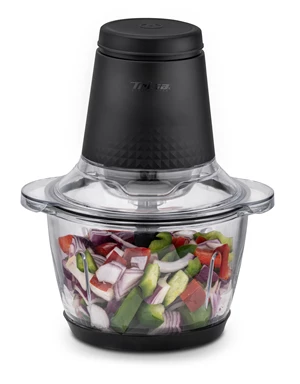
Chopper "Chop Noir"
CHF
59.00
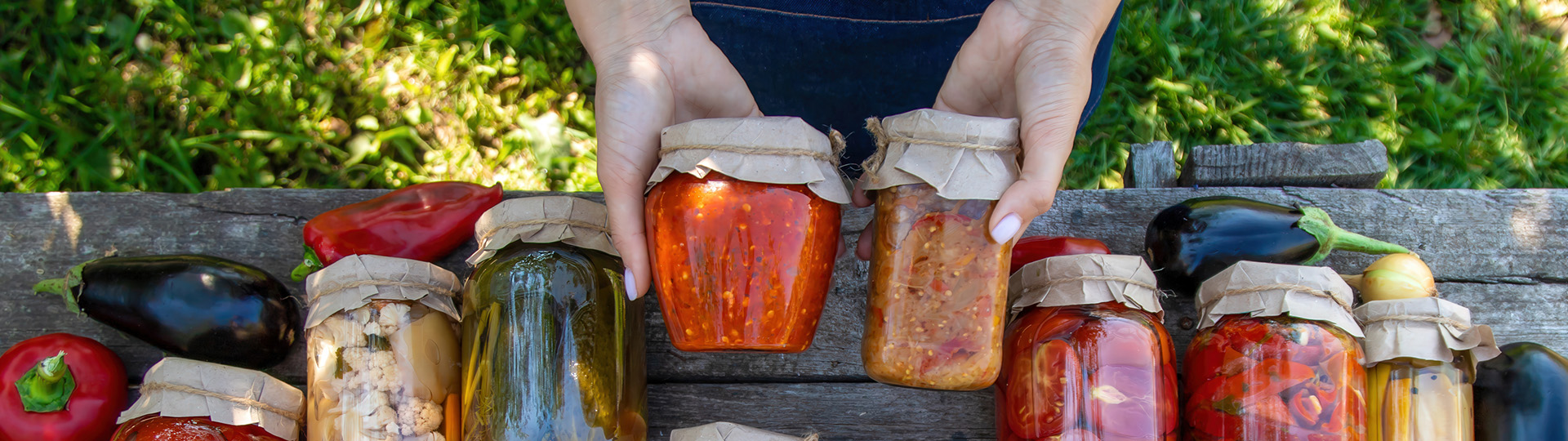
Apples, pears, plums, herbs, and the colorful early-fall vegetable harvest: Now we get to enjoy the bounty once again. A lot of hard work and care goes into this variety—whether from your own garden, your favorite farm stand, or local producers—as the plants have been nurtured and tended throughout the summer. With a few simple methods, you can preserve the flavors of summer and enjoy them weeks or even months later. We’ll show you six ways to do this, along with a recipe to get you started right away, so you can bring the season’s treasures to your plate in all their glory.
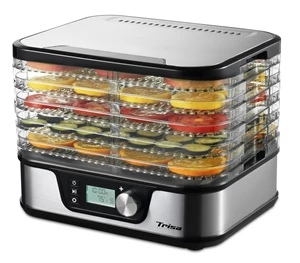
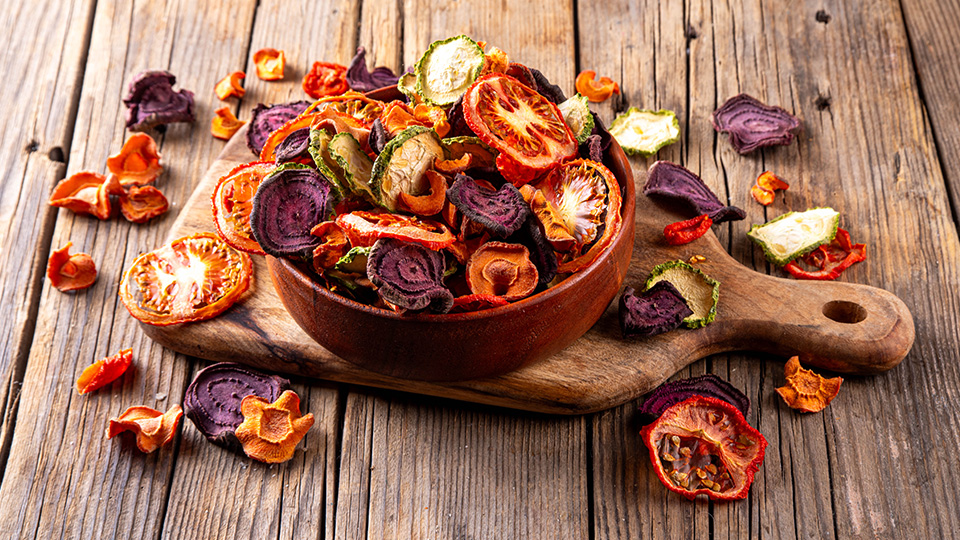
Drying is one of the oldest methods of preserving food. What used to be done by the sun and dry air is now handled in a controlled and uniform manner by a food dehydrator. During the drying process, fruits, vegetables, or herbs are slowly stripped of most of their moisture. This not only extends their shelf life but also often intensifies their flavors.
Dehydration is particularly versatile when used with apples, pears, plums, grapes, and berries, as well as tomatoes, beets, bell peppers, zucchini, eggplant, squash, carrots, onions, garlic, and mushrooms.
Ingredients
Preparation
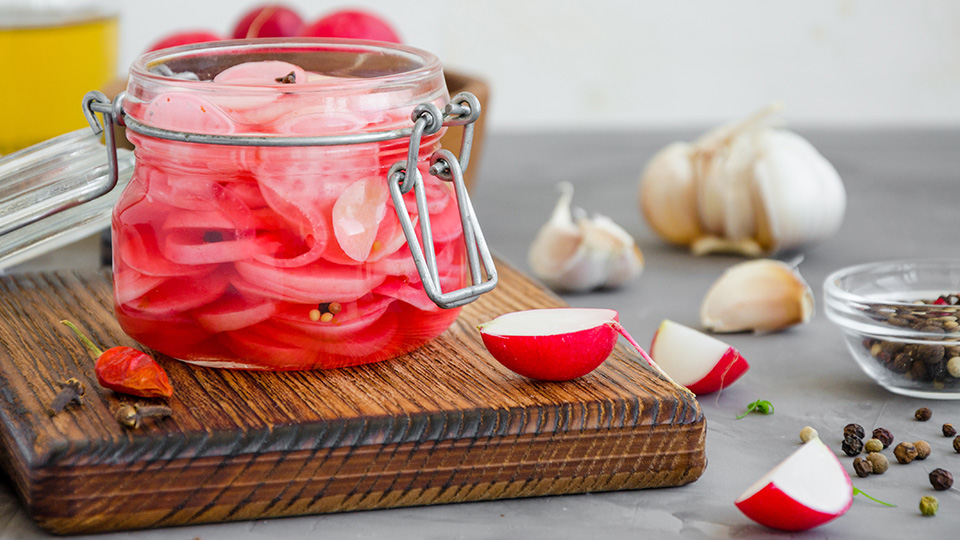
We’re all familiar with pickled cucumbers. But there are plenty of other garden treasures that thrive in a vinegar brine. During the pickling process, the acidity inhibits the growth of many microorganisms. At the same time, the flavorful brine transforms the taste of fresh vegetables, turning them into a whole new side dish. Depending on the recipe, salt, a little sugar, herbs, and spices are added to give the dish a personal touch.
Ingredients
Ingredients for 1 jar of approx. 6 dl
Source/Inspiration: SRF, Radish Pickles
Preparation
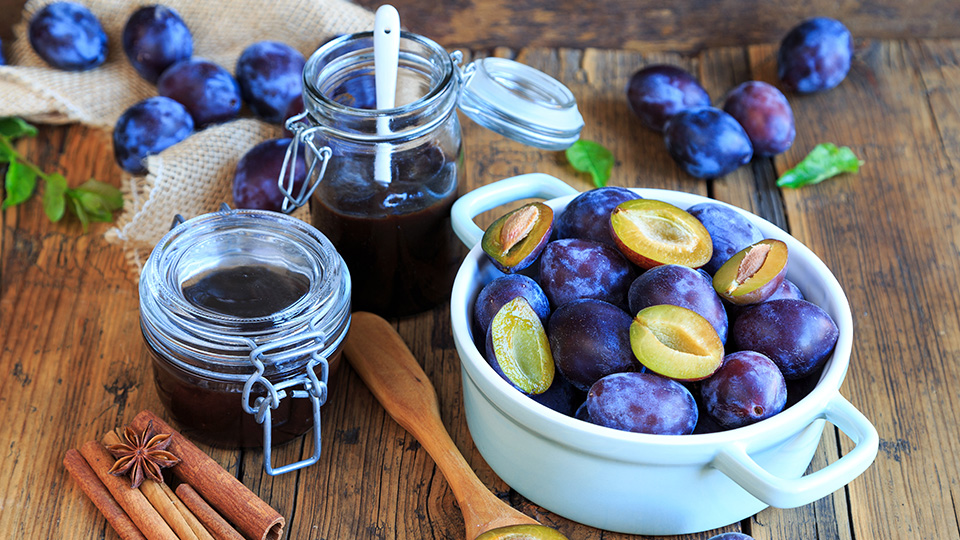
When preserving food, heating and proper bottling are key to extending its shelf life. For jam or syrup, the sugar content also plays a crucial role. When processed and sealed properly, jam can be stored for several months.
Plums are simply a staple of late summer and early fall. When made into jam, their sweet-and-tart flavor can be enjoyed long after the harvest.
Ingredients
Preparation
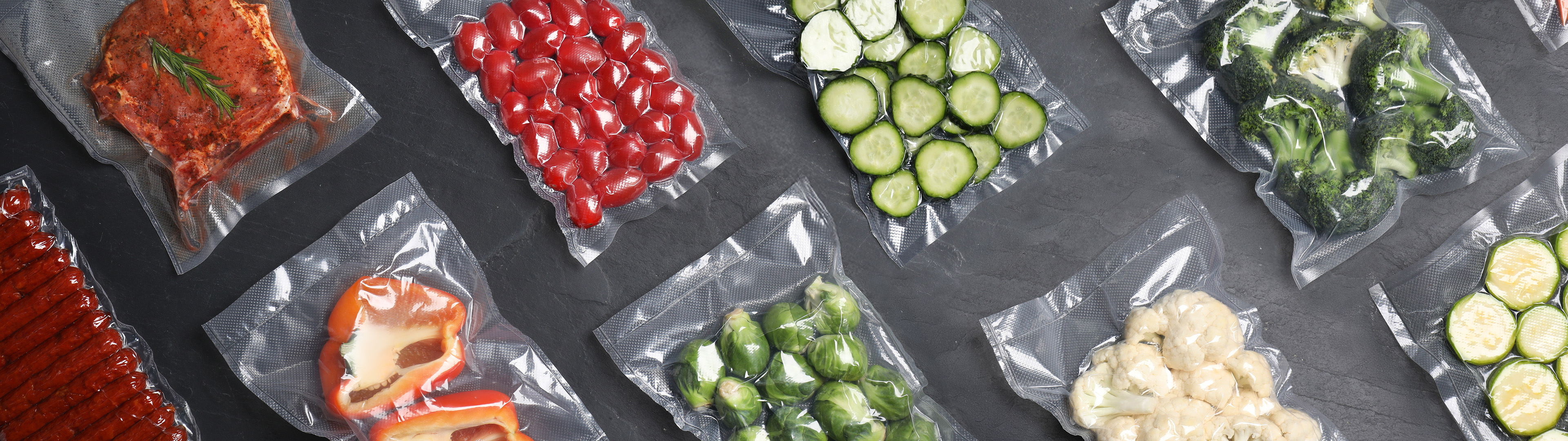
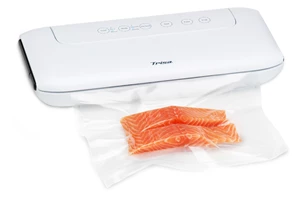
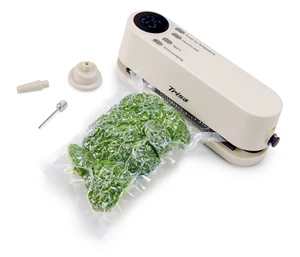
Sometimes you just want to store fresh food a little longer or prepare it in advance for your next meals. This is exactly where vacuum sealing comes in. The process involves removing the air from the packaging. This allows you to store many foods safely while saving space.
If you already know what you’ll be serving in the next few days, you can plan a step ahead when preparing your meals. Vegetables like zucchini, bell peppers, broccoli, carrots, or onions can be washed, cut, and portioned to fit your planned meals. Meat can also be prepared separately and vacuum-sealed—already marinated, for example.
This way, the ingredients wait in the fridge, neatly packaged and ready to use, and part of the work is already done. Whether you’re making quick oven-roasted vegetables, a vegetable stir-fry, or another favorite dish, all you have to do when cooking is take out the right portion.
If you don’t plan to use the prepared food within the next few days, you can take this approach a step further: Many foods can be vacuum-sealed and placed directly in the freezer, even if they’ve been pre-cooked as part of meal prep.
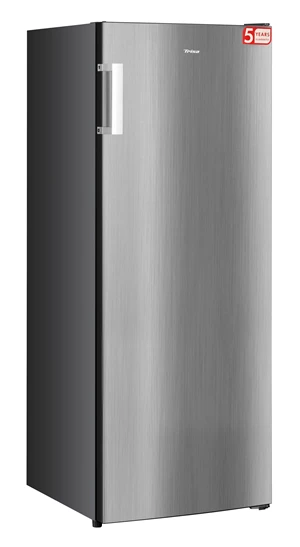
Freezing is probably one of the easiest ways to preserve seasonal ingredients for later use. It’s practical to freeze them in small portions: that way, you can take out exactly the amount you need later on.
Freshness on ice: Freezing is one of the best ways to preserve the nutrients in fruits and vegetables for longer. Since the food isn’t exposed to prolonged heat, many valuable nutrients are well preserved. This makes it ideal for saving some of your September harvest for the coming months.
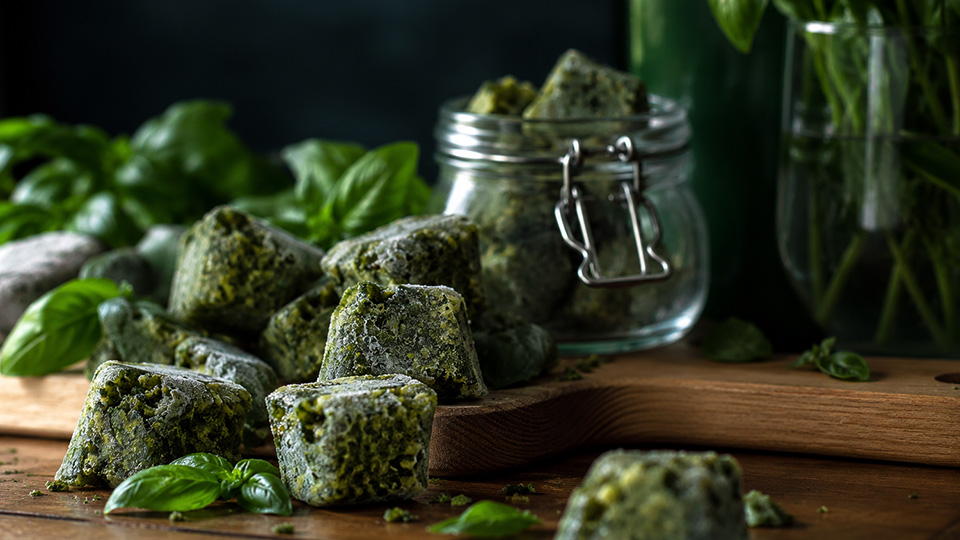
Ingredients
Preparation
Fermentation is anything but a new food trend. For thousands of years, people have been using microorganisms to transform food and make it last longer. Today, this natural process can be precisely controlled—for example, in the production of yogurt.
While many fermentation methods take place at room temperature, traditional yogurt cultures prefer significantly warmer conditions. The constant temperature of around 40 °C in the La Cremeria Plus creates the ideal conditions for this.
We don’t have to make everything ourselves. But some things taste especially good precisely because we made them ourselves.
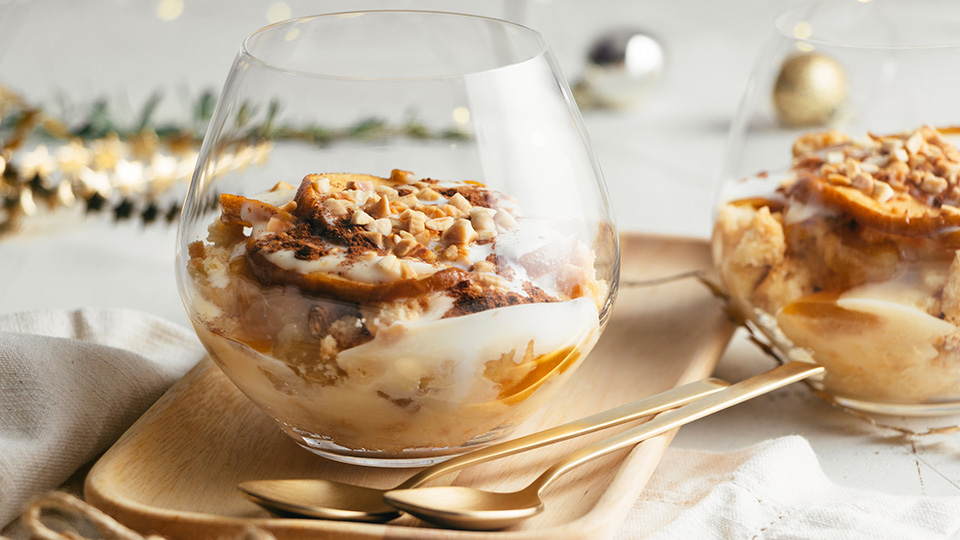
Ingredients
For the yoghurt
For the apple crumble topping
Preparation
Drying, preserving in jars, vacuum-sealing, or freezing: There are many ways to enjoy seasonal foods for longer while adding variety to your cooking. However, the best foundation for any preservation method remains the same: fresh ingredients, careful preparation, and the joy of doing it yourself.
And perhaps now is exactly the right time to take another look at what your garden, the market, or the farm stand has to offer. With the right kitchen tools, you can enjoy the bounty of summer well into the fall.
Key answers about shelf life, nutrients and suitable appliances at a glance.